HOW TO CARE FOR YOUR ENAMELED CAST IRON
Learn how to clean, care for, and cook with enameled cast iron. Unlike traditional cast iron cookware, our enameled cast iron requires no seasoning, won't rust, and is easy to clean. Designed in France and trusted by chefs, each piece is made to deliver exceptional performance while becoming part of the everyday rituals that gather people around the table.

LOW-MAINTENANCE CARE
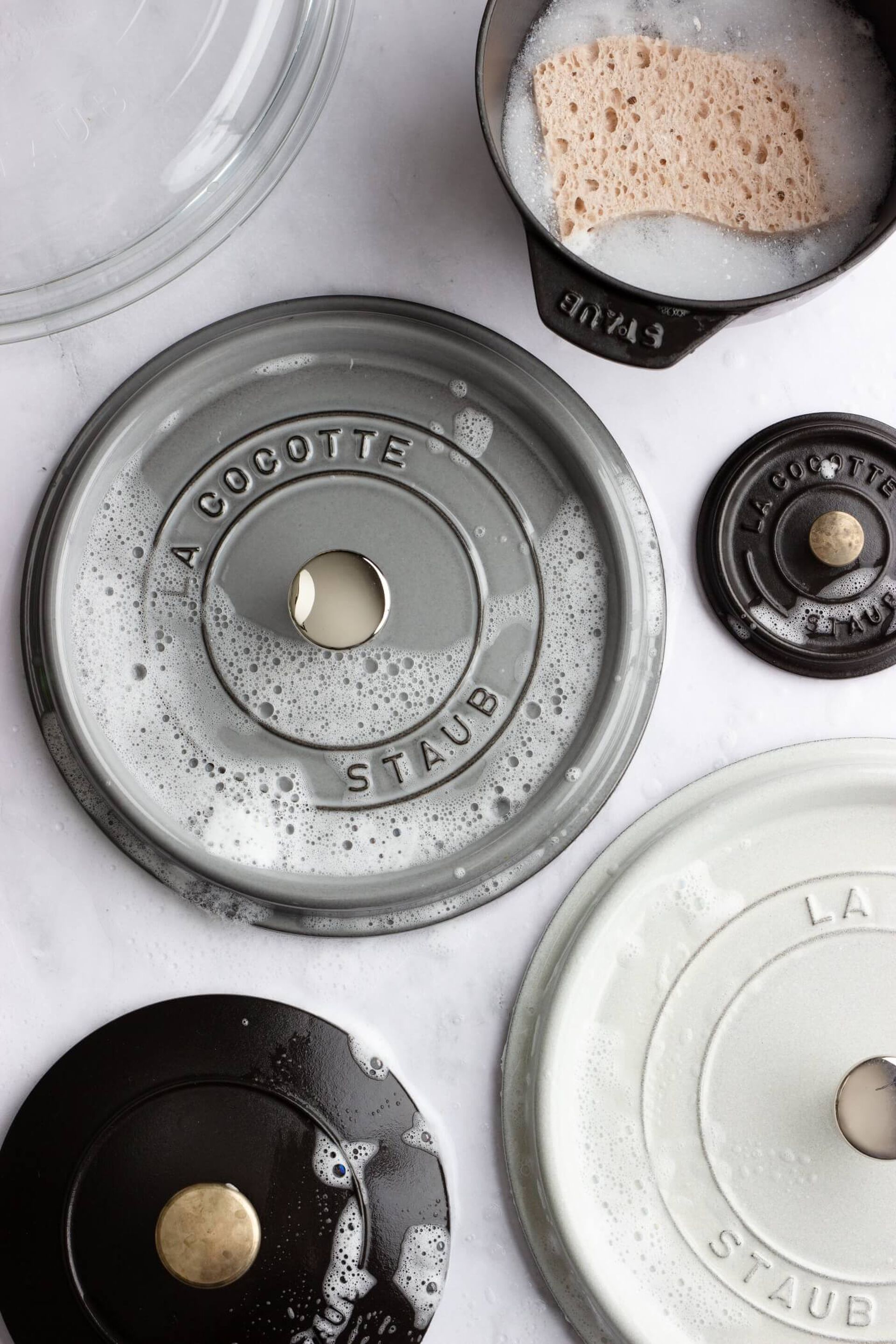
Our signature matte black enamel is designed to deliver effortless cleanup with nothing more than warm water, mild soap, and a soft sponge.


BUILT FOR REAL COOKING
For stubborn residue or caramelized buildup, fill the vessel with warm, soapy water and allow it to soak before gently heating on the stovetop.


DESIGNED TO ENDURE
Made in France and built to last, each piece is designed to weather years of meals while retaining its beauty with remarkably simple care.
FREQUENTLY ASKED QUESTIONS
From cleaning and maintenance to cooking and storage, find answers to the most common questions about caring for STAUB enameled cast iron. Learn how to get the most from your cookware while preserving its beauty and performance for years to come.

Does enameled cast iron need seasoning?
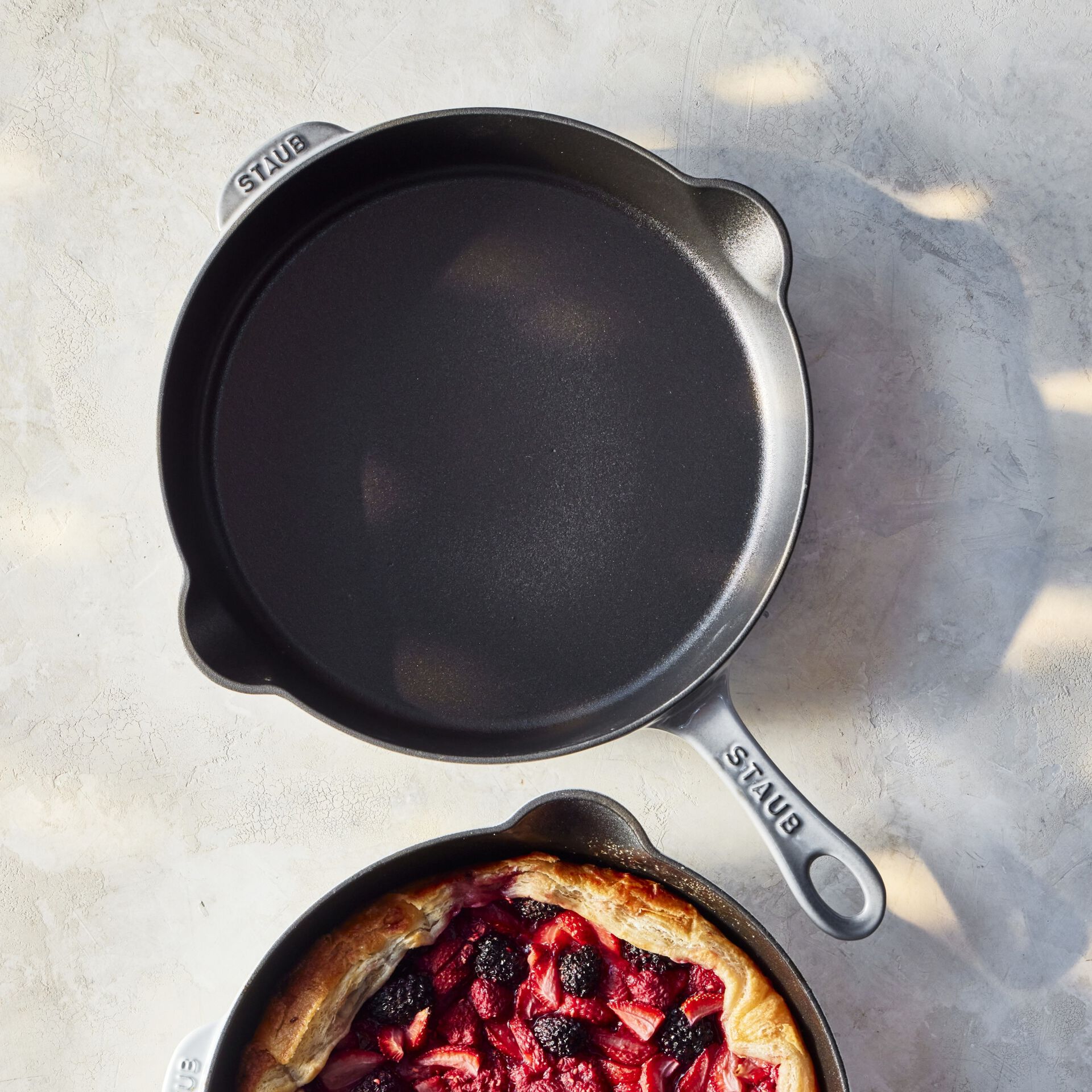
Unlike traditional cast iron, STAUB's signature black matte enameled cast iron requires no seasoning and is ready to use from the very first meal. Its durable, non-porous surface delivers exceptional heat retention and effortless cleanup with nothing more than warm water, mild soap, and a soft sponge.
Does enameled cast iron need seasoning?
Unlike traditional cast iron, STAUB's signature black matte enameled cast iron requires no seasoning and is ready to use from the very first meal. Its durable, non-porous surface delivers exceptional heat retention and effortless cleanup with nothing more than warm water, mild soap, and a soft sponge.

Can enameled cast iron go in the dishwasher?
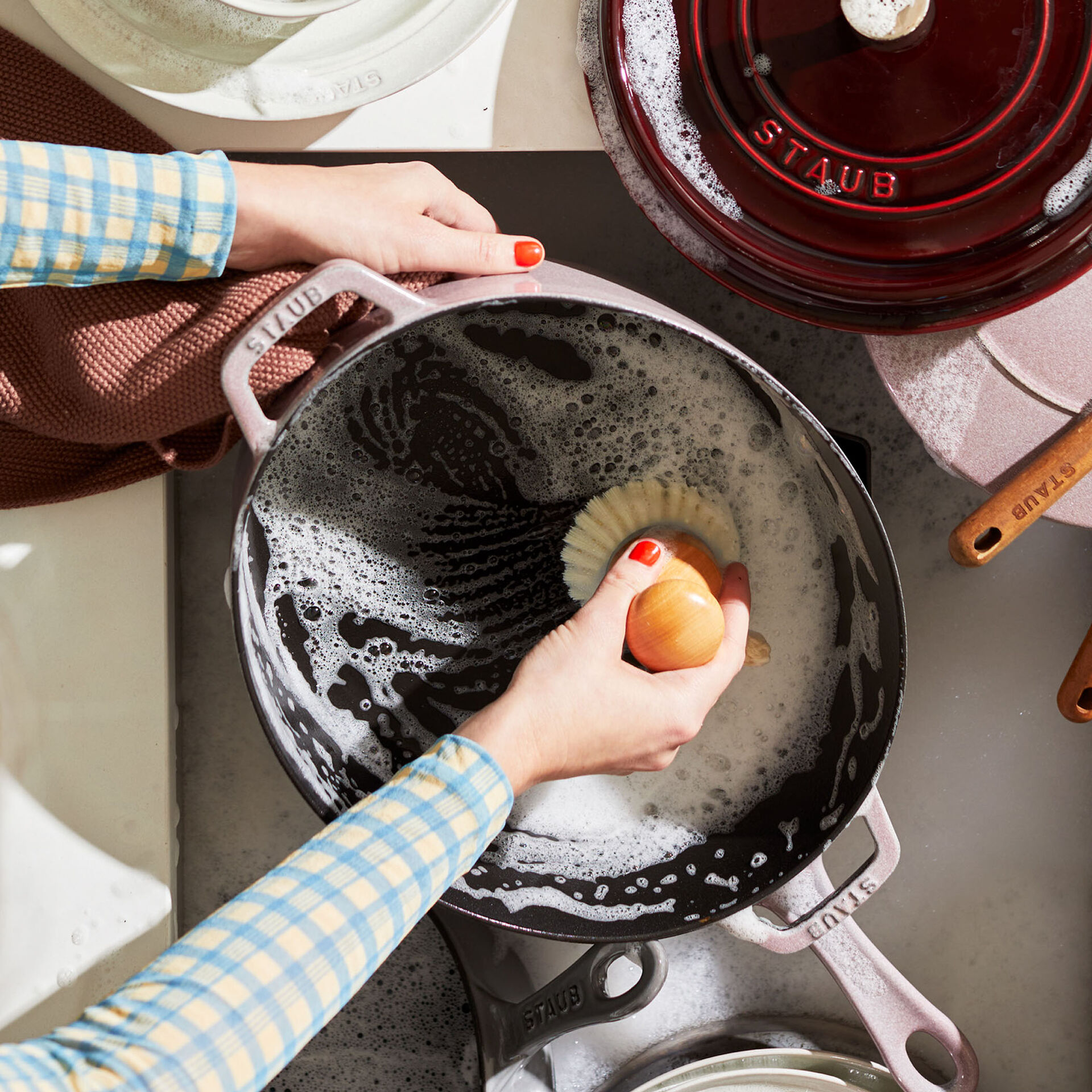
STAUB enameled cast iron is dishwasher safe, making cleanup simple when needed. For best results, we recommend hand-washing to help preserve the beauty of the enamel finish and maintain your cookware's appearance for years of daily use.
Can enameled cast iron go in the dishwasher?
STAUB enameled cast iron is dishwasher safe, making cleanup simple when needed. For best results, we recommend hand-washing to help preserve the beauty of the enamel finish and maintain your cookware's appearance for years of daily use.


How do I remove burned or stuck-on food?
A well-loved pot occasionally tells the story of what came before. For stubborn residue or caramelized buildup, fill your STAUB cast iron with warm, soapy water and allow it to soak before gently heating on the stovetop. Use a soft sponge, nylon brush, or non-abrasive pad to lift away residue while protecting the enamel surface.
For extra-tough cases, baking soda is an enamel-safe, natural abrasive that is highly effective at removing debris.
Is your enamel looking dull, cloudy or rainbow-colored? Appearances like these can result from mineral deposits, food residue, detergent residue or oils left on the enamel and do not indicate damage to the cookware.
How do I remove burned or stuck-on food?
A well-loved pot occasionally tells the story of what came before. For stubborn residue or caramelized buildup, fill your STAUB cast iron with warm, soapy water and allow it to soak before gently heating on the stovetop. Use a soft sponge, nylon brush, or non-abrasive pad to lift away residue while protecting the enamel surface.
For extra-tough cases, baking soda is an enamel-safe, natural abrasive that is highly effective at removing debris.
Is your enamel looking dull, cloudy or rainbow-colored? Appearances like these can result from mineral deposits, food residue, detergent residue or oils left on the enamel and do not indicate damage to the cookware.


Why does my lid have spikes or swirls on the underside?
The spikes and swirls beneath a STAUB cast iron lid are intentionally designed to enhance self-basting. As steam rises during cooking, it condenses on the underside of the lid and is redistributed back into the dish in fine droplets, helping retain moisture, concentrate flavor, and promote even cooking. It's one of the thoughtful details that allows STAUB cast iron to excel at braising, roasting, and slow-simmered recipes.
Why does my lid have spikes or swirls on the underside?
The spikes and swirls beneath a STAUB cast iron lid are intentionally designed to enhance self-basting. As steam rises during cooking, it condenses on the underside of the lid and is redistributed back into the dish in fine droplets, helping retain moisture, concentrate flavor, and promote even cooking. It's one of the thoughtful details that allows STAUB cast iron to excel at braising, roasting, and slow-simmered recipes.


Can I put my cast iron in the freezer?
STAUB enameled cast iron is cold-safe and can be used to store prepared foods in the freezer, making it easy to cook ahead and reheat later or serve frozen treats. To protect the enamel, allow hot cookware to cool completely before freezing, and avoid moving it directly from the freezer to a hot oven or stovetop—gradual temperature changes help preserve both performance and beauty over time.
Can I put my cast iron in the freezer?
STAUB enameled cast iron is cold-safe and can be used to store prepared foods in the freezer, making it easy to cook ahead and reheat later or serve frozen treats. To protect the enamel, allow hot cookware to cool completely before freezing, and avoid moving it directly from the freezer to a hot oven or stovetop—gradual temperature changes help preserve both performance and beauty over time.

MORE COMMON QUESTIONS
Food sticking is most often the result of cooking before the pan has been fully preheated, using too little cooking fat, or attempting to turn food before it has properly seared. STAUB's signature black matte enamel is designed to promote browning and caramelization, which naturally creates a flavorful crust on the surface of food. For best results, allow the cookware to heat gradually for several minutes over low heat before increasing temperature. Add oil or butter before cooking, and give ingredients, especially proteins, time to develop a proper sear. When ready, food will naturally release from the cooking surface with little resistance.
STAUB's black matte enamel does not season like traditional bare cast iron. However, with regular cooking and proper use, oils and cooking fats gradually condition the cooking surface, helping to improve food release over time.
Yes. STAUB enameled cast iron is designed for exceptional versatility and can be used on all cooktops, including induction, as well as in the oven. Most STAUB cast iron pieces are oven safe up to 500°F with the lid, and certain cocottes can withstand temperatures up to 900°F without the lid. Because knobs and accessories vary by product, always refer to the specifications of your particular piece when cooking at elevated temperatures.
Select STAUB cast iron cookware may also be used under a broiler, on an outdoor grill, or over an open flame, making it well suited for cooking both indoors and out. When using these methods, avoid pieces with wooden handles or tempered glass lids, and take care to protect the enamel from sudden temperature changes.
Whether moving from stovetop to oven or cooking over open fire, gradual heating and thoughtful use will help preserve the beauty and performance of your cookware for years to come.
To help keep your cookware performing and looking its best:
- Avoid using knives or other sharp-edged tools directly inside the cookware.
- Do not strike whisks, spoons, or other metal utensils against the rim, as impact may chip the enamel.
- Avoid using handheld mixers or immersion blenders directly in the vessel, as blades and metal guards can damage the enamel surface.
With thoughtful use, your STAUB cookware is designed to provide lasting performance and beauty for generations.
Yes. STAUB enameled cast iron is compatible with induction as well as gas, electric, glass, ceramic and halogen cooktops.
STAUB cast iron is designed to withstand high cooking temperatures and is compatible with all cooktops, including induction, as well as ovens up to 500°F. However, because cast iron retains and distributes heat exceptionally well, high burner settings are rarely necessary for everyday cooking.
For best results, begin by preheating your cookware over low heat for several minutes before gradually increasing to medium-low or medium heat. Once the vessel is evenly heated, add oil or butter and allow it to warm before adding ingredients. Proper preheating promotes more even cooking, exceptional browning and searing, improved food release, and helps protect the enamel from unnecessary stress.
STAUB cookware may be gently preheated while empty for a short period, but it should never be rapidly heated over high heat or left empty on a burner for an extended time. To preserve the enamel over years of use, always avoid sudden temperature changes, such as moving cookware directly from the refrigerator to a hot burner or exposing a cold pan to high heat.
Yes. We highly recommend Bar Keepers Friend for cleaning STAUB enameled cast iron, particularly when removing stubborn stains, discoloration, or cooked-on residue. Always follow the Bar Keepers Friend product instructions and use a soft, non-abrasive sponge or cloth when cleaning. Rinse the cookware thoroughly with clean water and dry completely after cleaning.
CLEANING STUBBORN RESIDUE
Learn how to clean stubborn stains from your STAUB cookware in this short, demonstration video.